

Travertine:Timeless Beauty for Interior & Exterior Design
- Hazim Keyik

- Jun 17, 2025
- 2 min read
Travertine Stone: Timeless Beauty for Interior & Exterior Design

What Is Travertine?
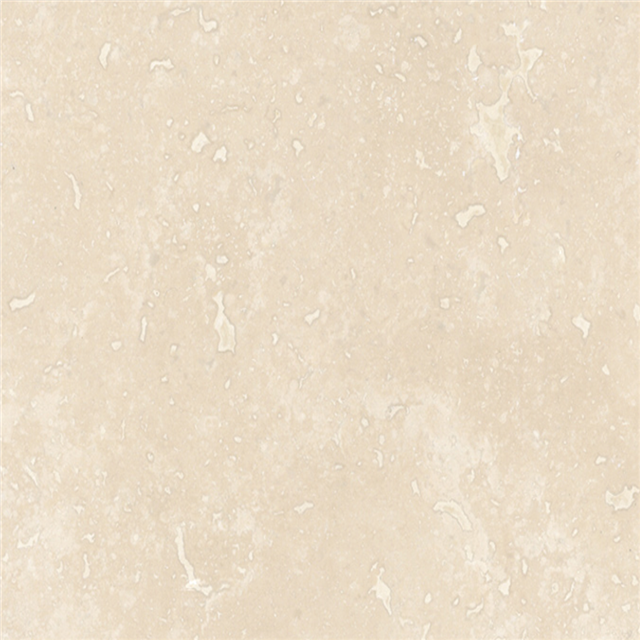
Travertine is a natural stone formed by mineral deposits from hot springs and limestone caves. Known for its earthy colors and distinctive porous texture, travertine has been used in architecture and design for thousands of years — from ancient Roman buildings to modern luxury homes.
Why Choose Travertine?
Travertine combines beauty, durability, and versatility. It is ideal for both residential and commercial projects, indoors and outdoors. Key benefits include:
✅ Natural Elegance – Each tile is unique, with warm tones of beige, cream, ivory, gold, and walnut.
✅ Durability – Perfect for high-traffic areas such as floors, patios, and pool surrounds.
✅ Cool Underfoot – A popular choice for outdoor spaces in warm climates.
✅ Eco-Friendly – A sustainable, natural material with a low environmental impact.

Common Applications of Travertine
Travertine is highly versatile and can be used in a wide range of architectural and design applications:
🏠 Flooring – Adds luxury and warmth to living rooms, bathrooms, and kitchens.
🧱 Wall Cladding – Creates texture and visual interest indoors and outdoors.
🚿 Bathroom Tiles – Ideal for shower walls and vanity tops.
🌳 Garden Pathways & Patios – Weather-resistant and non-slip surface.
🏊♂️ Pool Coping – Stays cool under the sun and provides a safe edge around pools.
Types of Travertine Finishes
Depending on the desired look and use, travertine is available in various finishes:
Polished Travertine – Smooth, glossy surface, ideal for indoor use.
Honed Travertine – Matte finish with slight texture, great for floors and walls.
Brushed Travertine – Rough texture with an antique look.
Tumbled Travertine – Rustic edges and surface, perfect for outdoor or classic designs.
Travertine vs. Marble: What's the Difference?
While both are natural stones, travertine has a more textured, porous surface and earthy look, while marble is smoother and has a more polished appearance. Travertine is often more affordable and slip-resistant, making it better for outdoor use.
How to Maintain Travertine
To keep your travertine surfaces beautiful and long-lasting:
Seal the stone regularly to prevent stains and water absorption.
Use pH-neutral cleaners to avoid damaging the surface.
Avoid acidic substances like lemon or vinegar.
Clean spills immediately to prevent staining.
Where to Buy Travertine?
Looking for premium travertine tiles, pavers, or slabs? At Scala Stone we offer a wide selection of high-quality travertine sourced directly from quarries. We ship globally and support projects of any size — from private villas to commercial developments.
Contact us to discover how travertine can transform your space.
📞 Call us: +905323584692
📩 Email us:info@scalastone.net
🌍 Visit us: www.scalastone.net

Comments